

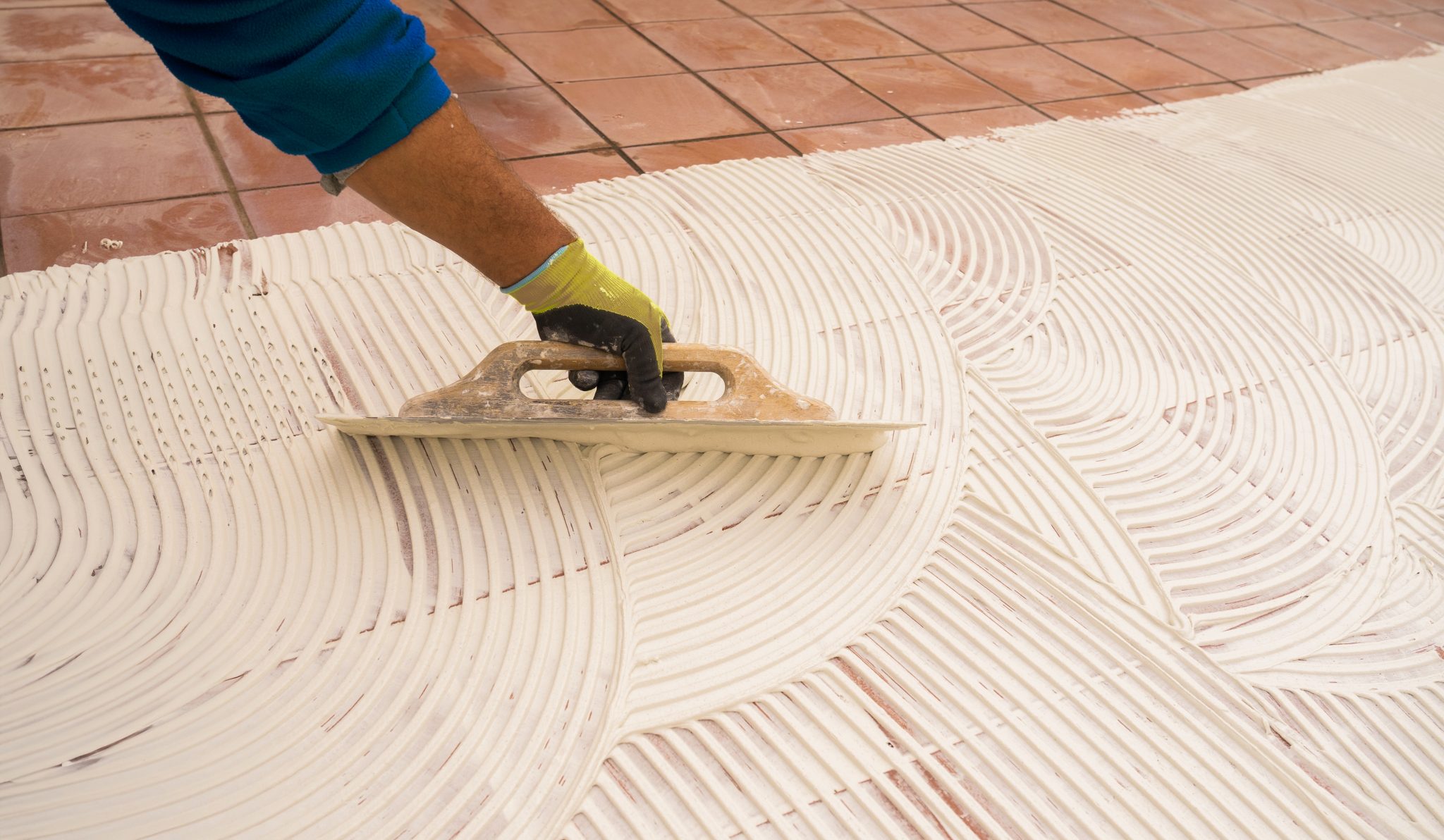
Tile-on-tile renovation has changed how homeowners, builders, contractors, and interior professionals upgrade spaces. Instead of breaking old tiles, dealing with dust, debris, labor delays, and material wastage, you can install new tiles directly over existing surfaces if you choose the right adhesive.
The success of any tile-on-tile project doesn’t start with the tile. It starts with the adhesive holding everything together.
In this guide, we’ll cover what truly matters when choosing a high-performance tile adhesive, common mistakes to avoid, and how modern ready-to-use solutions are changing tile installation.
Why Tile-on-Tile Installation Is Becoming the Preferred Choice
Traditional tile replacement often means demolition, noise, downtime, and hidden repair costs. Tile-on-tile installation offers a smarter alternative.
Whether you’re upgrading a bathroom, kitchen, lobby, or commercial flooring, tile-on-tile installation can save both time and money.
What Makes Tile-on-Tile Installation Different?
Unlike fresh substrate installation, tile-on-tile applications deal with an existing non-porous surface. Old ceramic or vitrified tiles offer very little absorption, which means ordinary cement mortar often struggles to create a lasting bond.
That’s where high-performance adhesives become essential.
Bond Strength: The First Thing to Check
The biggest challenge in tile-on-tile installation is adhesion.
A premium adhesive should create strong bonding between:
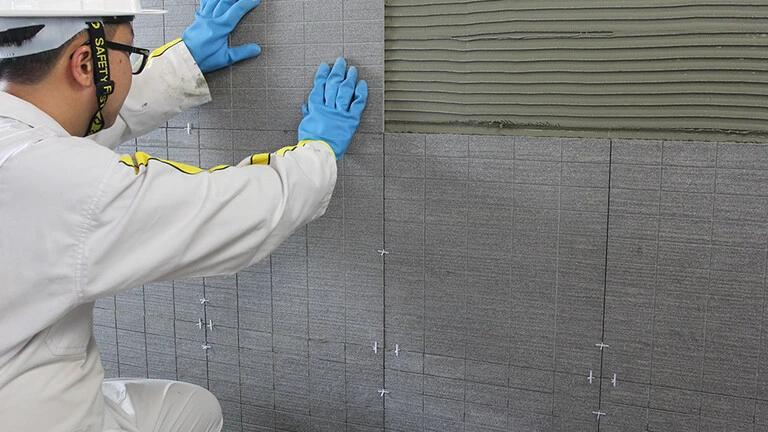
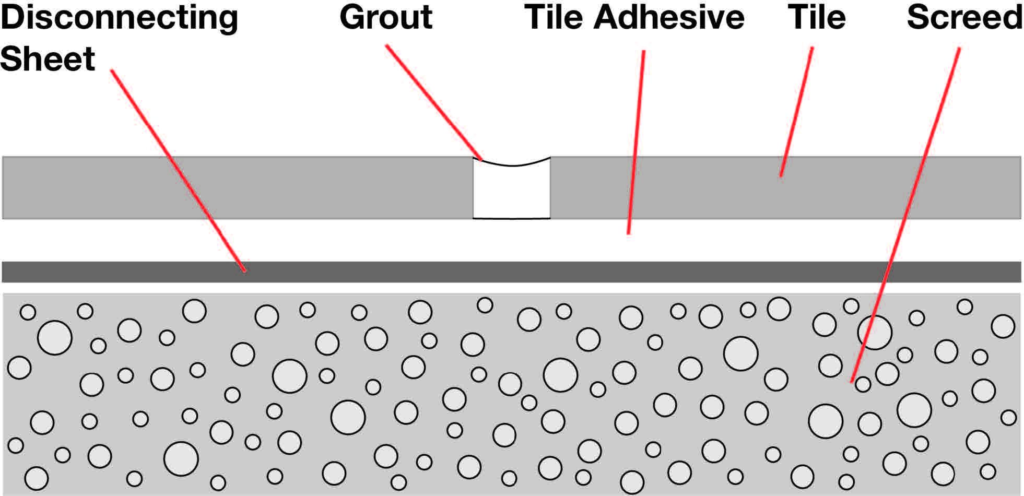
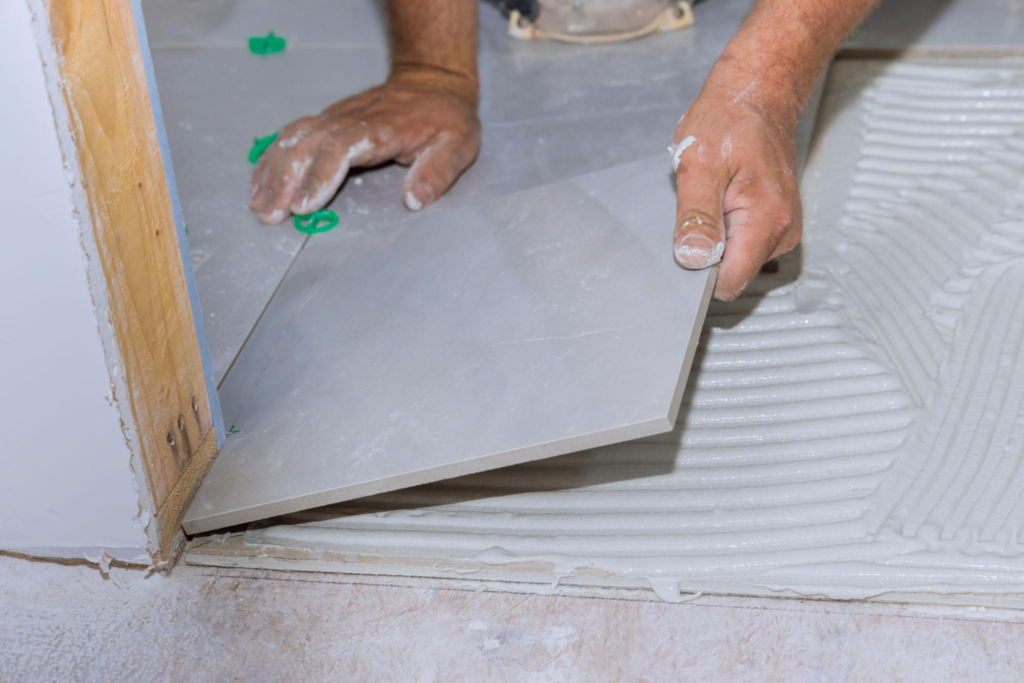
- Existing tile surface
- Adhesive layer
- New tile
Poor bonding may cause:
- Hollow sounds
- Tile lifting
- Cracks
- Edge failures
- Water penetration
Look for adhesives specifically designed for tile-on-tile applications.
Slip Resistance for Vertical Applications
Installing tiles on walls?
The adhesive should hold heavy tiles without slipping before curing.
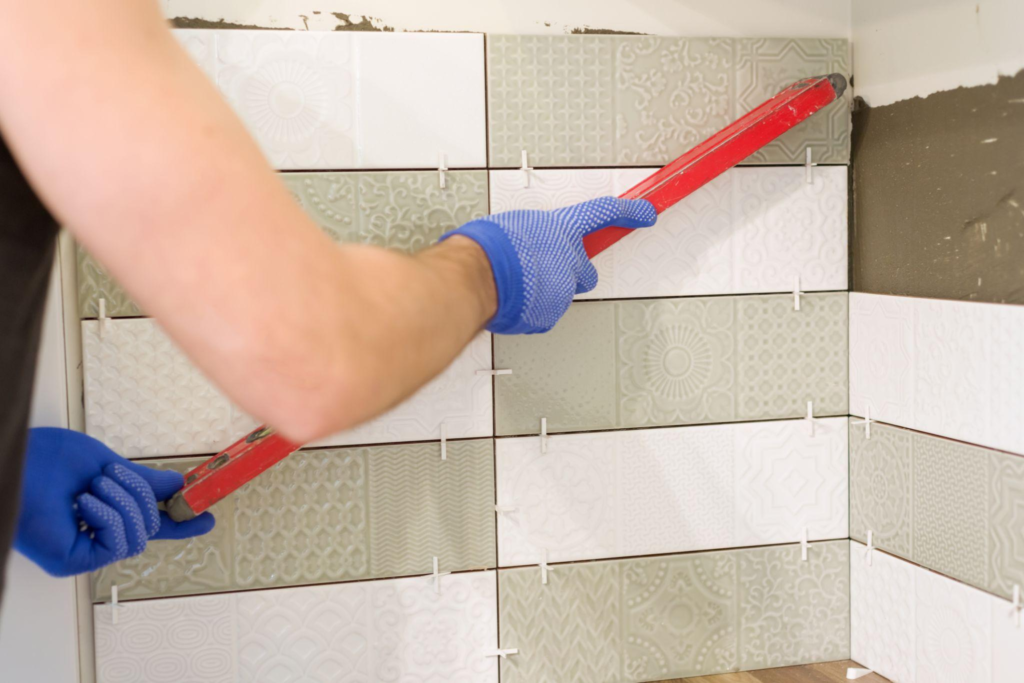
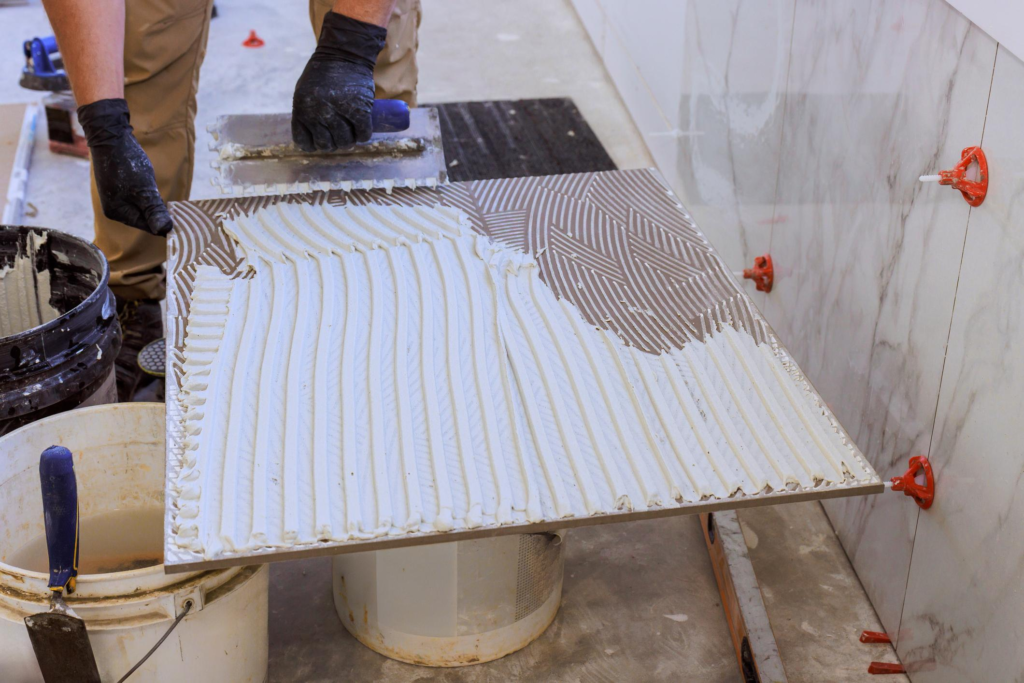
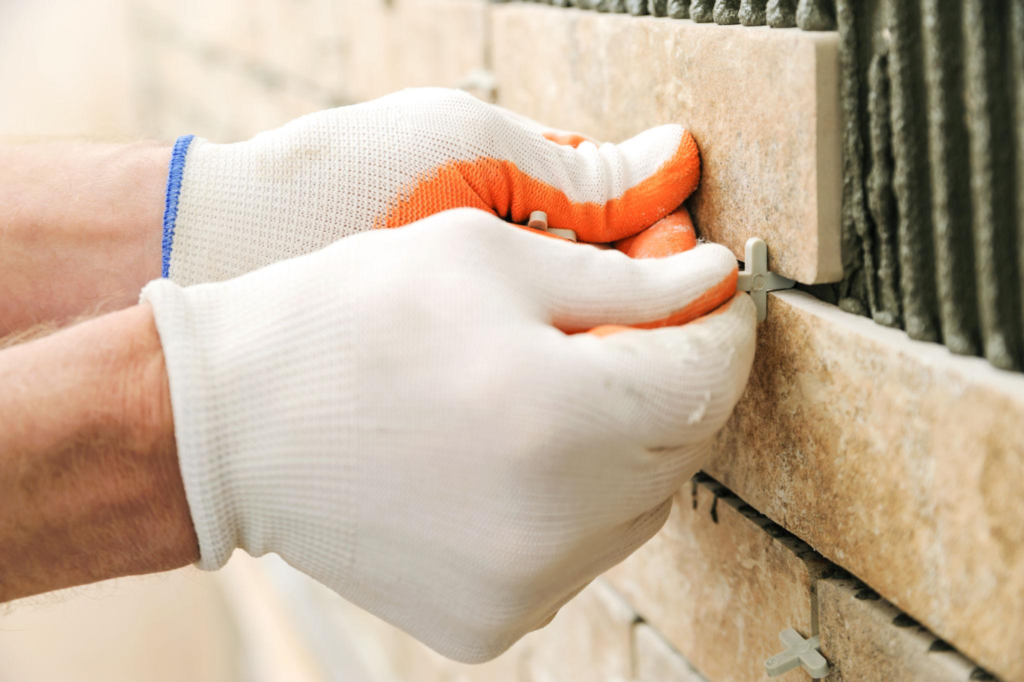
This becomes critical for:
- Bathroom walls
- Kitchen backsplashes
- Feature walls
- Exterior cladding
A high-grab adhesive keeps tiles in place and improves alignment.
Flexibility Matters More Than Most People Realize
Buildings move. Temperature changes. Moisture expands materials.
A rigid adhesive may fail over time.
Modern polymer-modified adhesives are designed to absorb minor movement and reduce cracking risk.
Ideal for:
- High-rise buildings
- Balcony areas
- Wet zones
- Heated surfaces
- Commercial spaces
Water and Moisture Resistance
Areas exposed to moisture demand adhesives that maintain bonding even under challenging conditions.
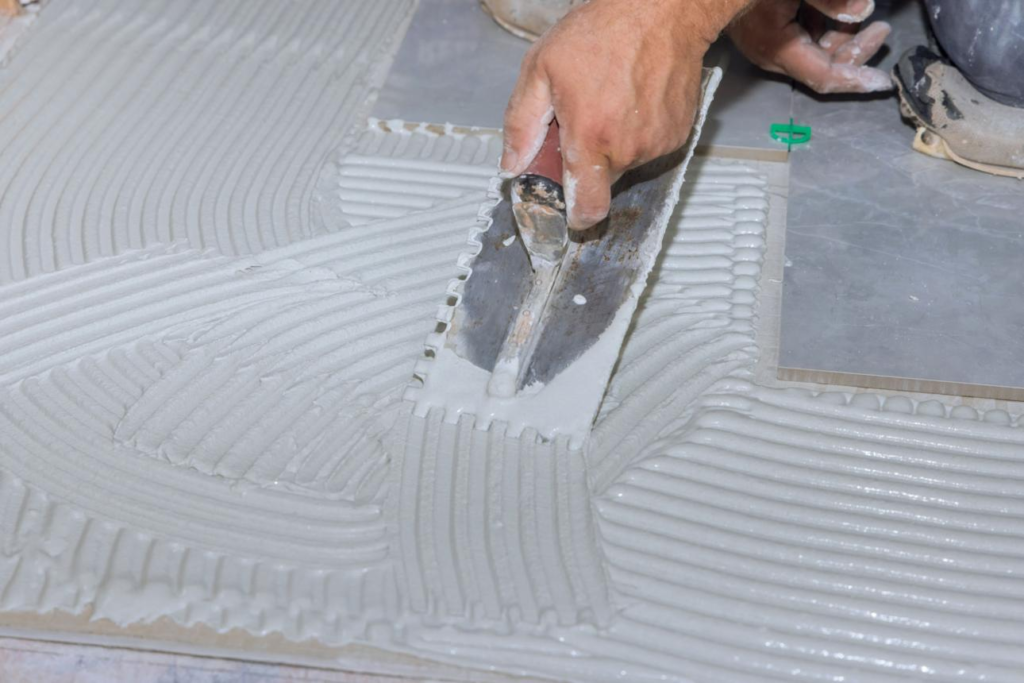
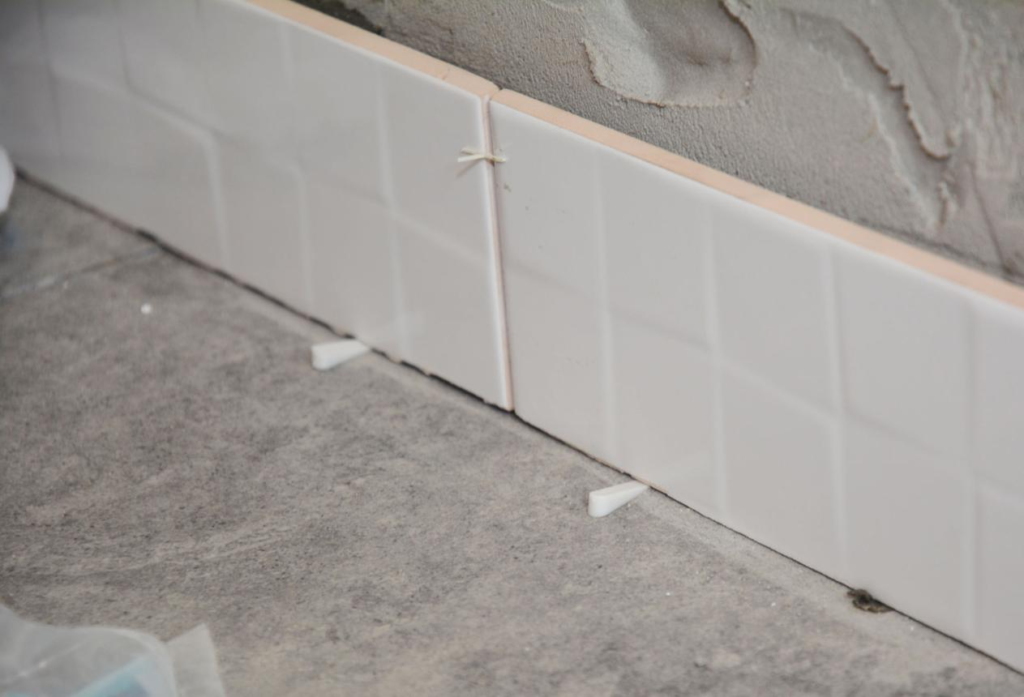
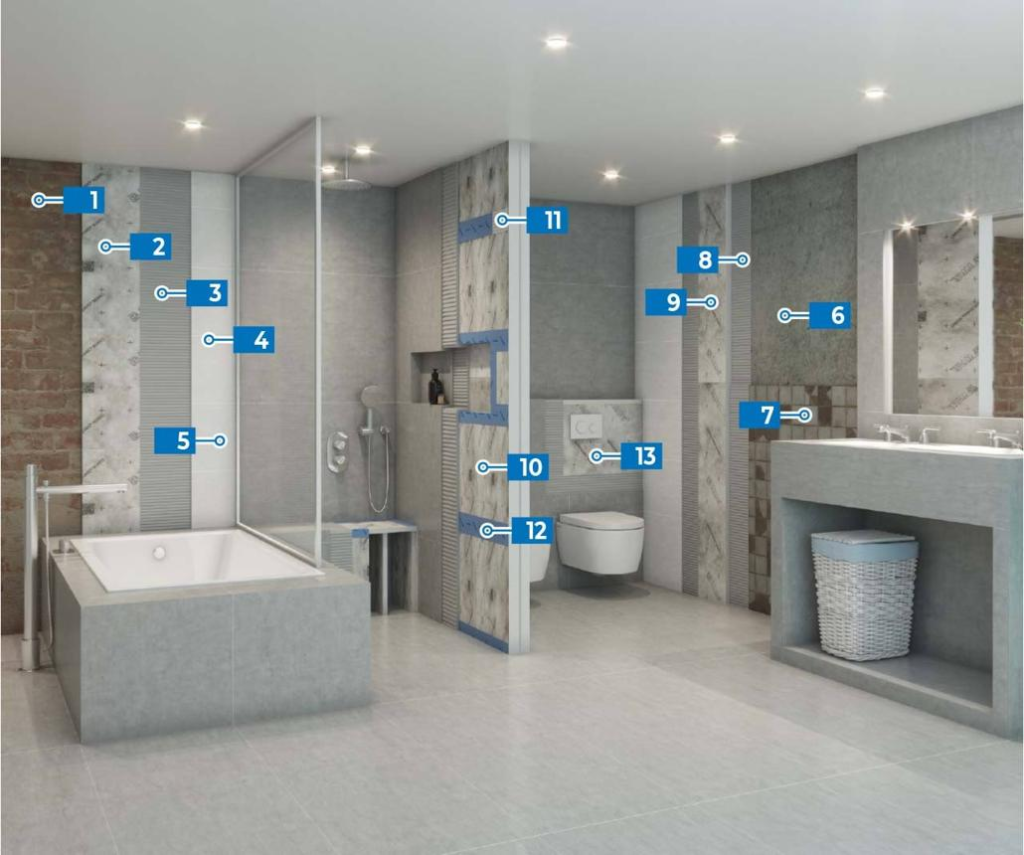
Critical areas include:
- Bathrooms
- Swimming pools
- Kitchens
- Utility rooms
- Outdoor applications
Water-resistant adhesive helps protect long-term performance.
Open Time and Workability
Contractors need enough working time for accurate tile placement.
High-performance adhesives should offer:
- Easy spreading
- Good coverage
- Extended open time
- Easy adjustment after placement
This improves productivity and reduces rework.
Compatibility With Modern Tiles
Today’s tiles are larger, denser, and heavier.
Examples include:
- Porcelain tiles
- Vitrified tiles
- Marble-look slabs
- Large-format panels
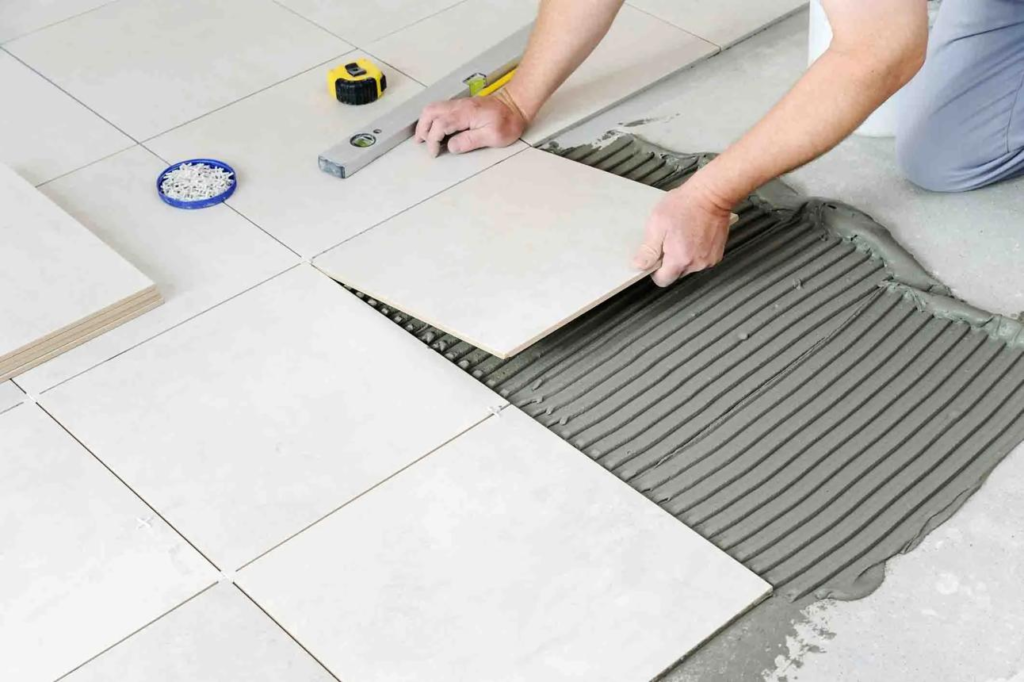
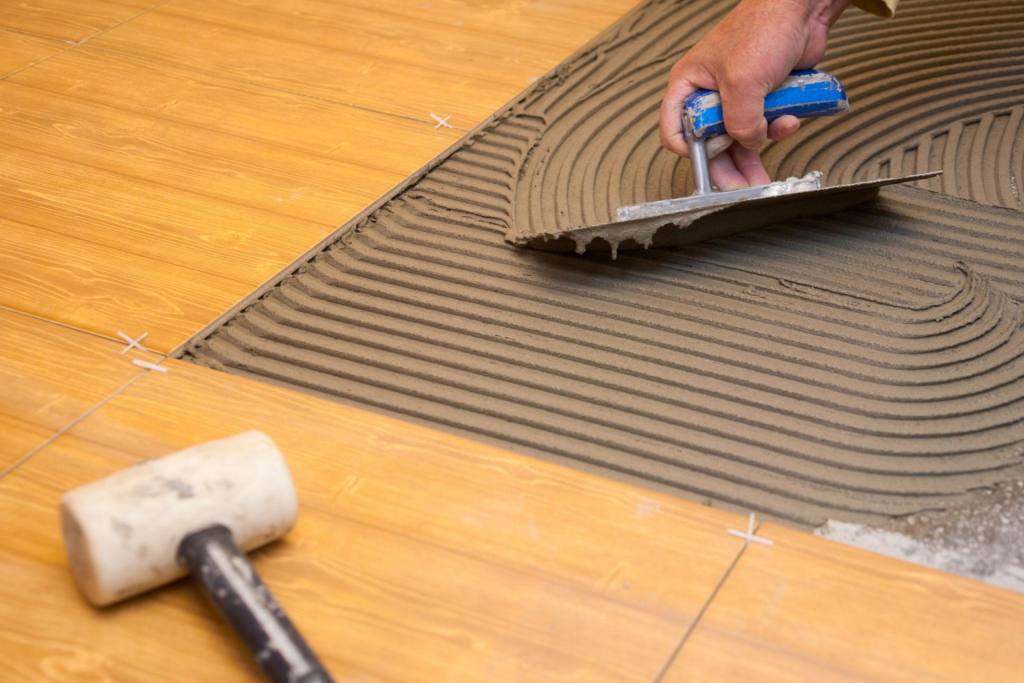
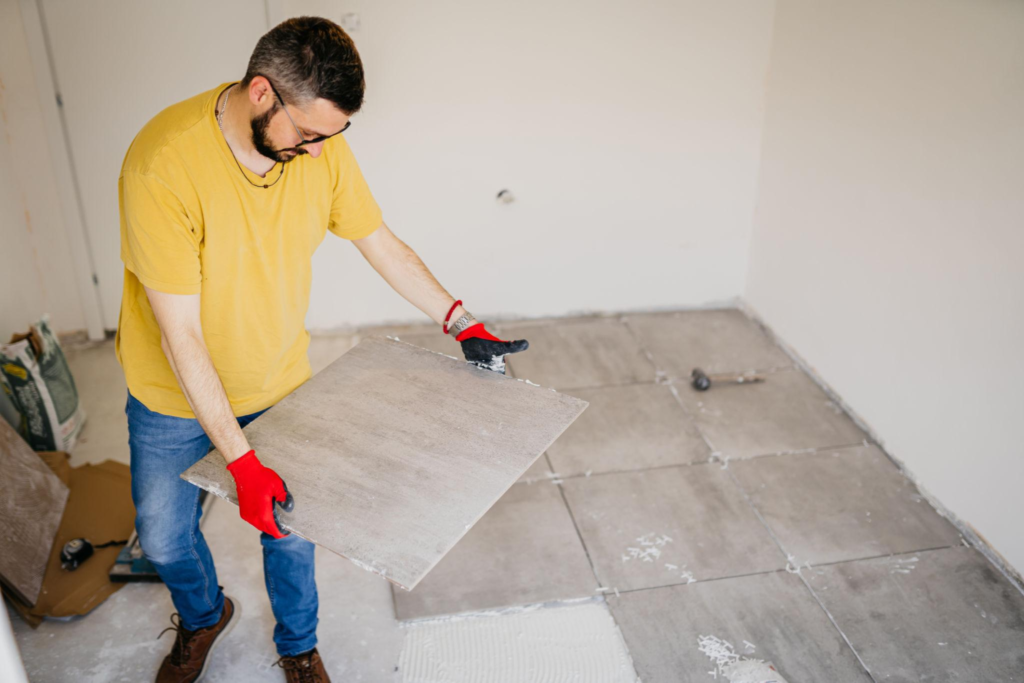
Your adhesive must be compatible with the tile type, size, and application area.
Common Mistakes That Cause Tile Failure
Avoid these common errors:
❌ Using ordinary cement mortar
❌ Installing over dusty surfaces
❌ Skipping surface preparation
❌ Applying uneven adhesive thickness
❌ Choosing adhesive only by price
❌ Ignoring curing instructions
Even premium tiles can fail if the adhesive selection is wrong.
Why Ready-to-Use Adhesives Are Changing the Industry
The construction industry is moving beyond traditional mixing methods.
Ready-to-use adhesive systems offer:
✔ Consistent quality
✔ Zero material wastage
✔ Faster application
✔ Cleaner job sites
✔ Reduced labor dependency
✔ Better storage efficiency
These advantages are especially useful for fast-moving residential and commercial projects.
Tile-on-tile renovation can save time, reduce mess, and deliver outstanding results—but only when supported by the right adhesive.
The smartest installers don’t just choose tiles carefully. They choose what goes beneath them even more carefully.
When bond strength, flexibility, moisture resistance, and ease of application come together, your renovation stands strong for years.
Frequently Asked Questions
Can tiles be installed directly over old tiles?
Yes, tile-on-tile installation is possible when the existing surface is stable, clean, and the correct adhesive is used.
Is cement mortar suitable for tile-on-tile applications?
Traditional mortar may not provide the required bonding on non-porous tile surfaces.
Which tiles need high-performance adhesive?
Porcelain, vitrified, large-format, and heavy decorative tiles often benefit from high-performance adhesives.
Is tile-on-tile installation suitable for bathrooms?
Yes, provided moisture-resistant adhesive is used and surface preparation is done correctly.
Are ready-to-use adhesives better than traditional mixes?
Many contractors prefer ready-to-use systems for consistency, faster application, and reduced wastage.