

Construction leaves more behind than finished walls and floors. Cement splashes, grout haze, mineral deposits, and dried stains cling to surfaces long after the work ends and spoil otherwise clean results. Plain water and heavy scrubbing waste hours and often damage the finish. Viaduct Chemtech develops cleaning solutions for exactly these problems, and this post covers five practical ways its CP cleaner improves results on site.
Key Takeaways
- The cleaner dissolves cement residue and grout haze that water cannot lift.
- It removes efflorescence and mineral stains from masonry and tile.
- It prepares surfaces so paint, adhesive, and coatings bond properly.
- It cuts scrubbing time and lowers labor costs on finishing jobs.
- It works across tiles, concrete, stone, and other common construction surfaces.
1. It Dissolves Cement and Grout Residue
Cement slurry dries fast, and once it hardens on a surface, water and a brush barely touch it. Grout haze, the thin cloudy film left after tile installation, behaves the same way. It dulls the tile and hides the finish you paid for.
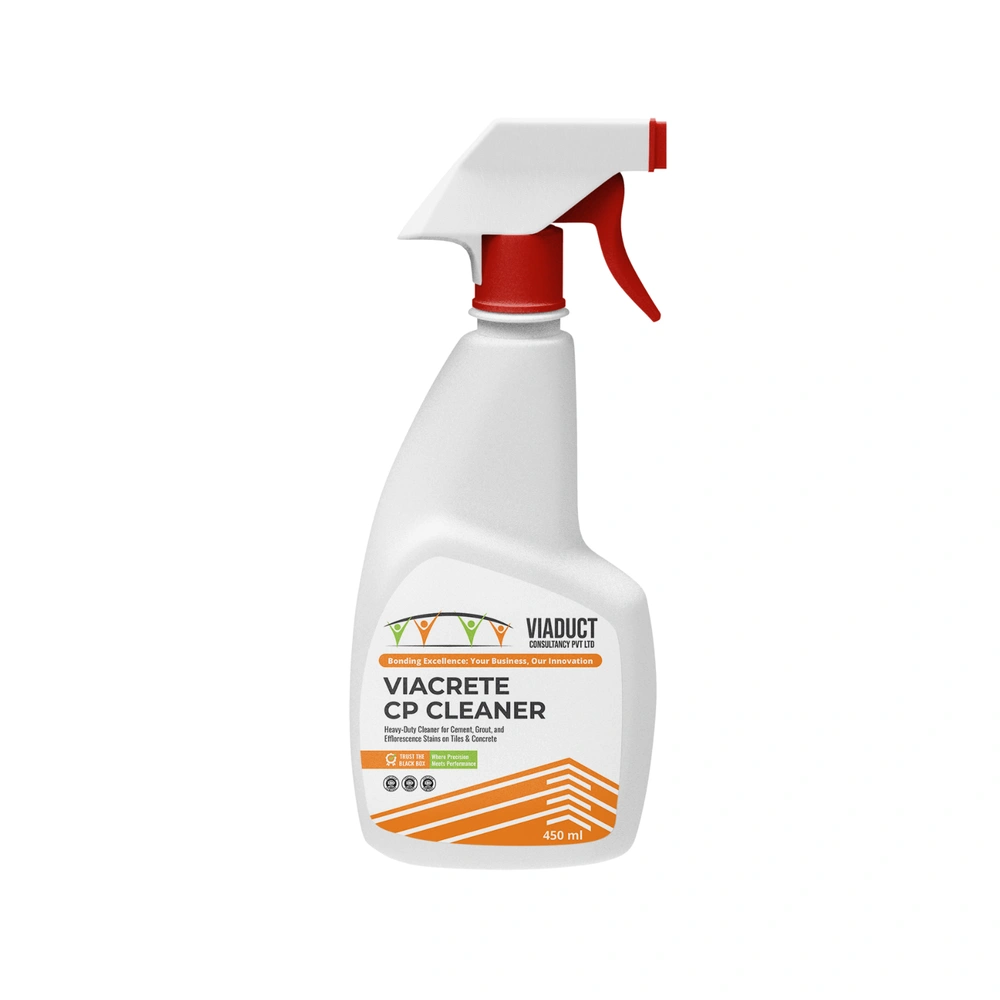
The viaduct CP cleaner breaks down these alkaline deposits chemically instead of relying on force. You apply it, give it a short dwell time, and the residue loosens so you can wipe or rinse it away. Workers spend less effort, and the surface keeps its original texture and shine.
2. It Lifts Efflorescence and Mineral Stains
White, powdery deposits on brick, concrete, and stone come from salts that travel through the material and crystallize at the surface. Efflorescence returns quickly if crews only brush it off dry, and rust marks and hard-water scale add to the mess.
A properly formulated cleaner attacks these mineral deposits directly. It dissolves the salts and scale, so you clear the stain rather than smear it around. Clean masonry looks better and lets you spot real problems, such as moisture movement, that a layer of deposits would otherwise hide.
3. It Improves Surface Preparation Before Finishing Work
Every paint job, coating, and tile installation depends on surface preparation. Dust, cement film, and chemical residue block adhesion, and poor bonding leads to peeling paint, hollow-sounding tiles, and failed coatings within months.
Contractors who clean thoroughly before finishing avoid those callbacks. The viaduct CP cleaner removes the invisible film that sanding and sweeping leave behind, which gives primers, adhesives, and sealers a clean base to grip. Better bonding means longer-lasting finishes and fewer repairs after handover.
4. It Speeds Up Tile Surface Cleaning
Tile surface cleaning takes longer than most crews expect, especially after large floor or wall installations. Scraping cement off glazed tile risks scratches, and aggressive scrubbing can wear the grout lines you just finished.
A dedicated cleaner shortens this task. You apply it evenly, let it work, and remove the loosened residue with a soft brush or cloth. Crews finish large areas faster, and they avoid the surface damage that comes with scraping. Vitrified, ceramic, and many natural stone tiles benefit, though you should always test a small hidden patch first on delicate or polished stone.
5. It Works as a Versatile Construction Surface Cleaner
Sites rarely have just one surface type. A single project may include tiled bathrooms, concrete floors, brick facades, and stone steps, and buying a separate product for each one adds cost and confusion.
As a construction surface cleaner, this product covers many of these jobs with one formulation. Site managers stock less, train workers on one process, and keep results consistent from room to room. A simple, repeatable cleaning routine also reduces mistakes, such as using the wrong product on the wrong material.
How Contractors Can Get Better Results
A few habits improve performance on any project:
- Clear loose debris first. Sweep or vacuum so the cleaner works on the residue rather than on dust.
- Work in manageable sections. This prevents the product from drying before you rinse it.
- Wear protective gear. Gloves, eye protection, and good ventilation keep workers safe.
- Rinse thoroughly. Leftover cleaner can interfere with sealers and adhesives.
- Test first. A small trial area confirms compatibility with the surface.
Crews that follow these steps get cleaner surfaces, fewer reworks, and smoother handovers.
Ready to Upgrade Your Cleaning Process?
Clean surfaces start with the right chemistry. If your crews still lose hours to stubborn cement film and hazy tiles, explore the range at Viaduct Chemtech and see which formulation fits your next project.
FAQs
What is Viaduct CP Cleaner used for?
Contractors use it to remove cement splashes, grout haze, efflorescence, and mineral stains from tiles, concrete, brick, and stone. It also prepares surfaces for painting, coating, or tiling by clearing residue that weakens adhesion.
How to use Viaduct CP Cleaner?
Sweep away loose dirt, then apply the cleaner to the affected area, following the dilution and dwell time on the product label. Agitate lightly with a soft brush, then rinse with clean water and wipe dry. Test a small patch first and wear gloves and eye protection.
Can it clean glazed and polished tiles?
Yes, in most cases it works well on glazed ceramic and vitrified tiles. Test polished natural stone on a hidden spot first, because some stone types react to acidic or strong cleaners.
Does surface cleaning really affect paint and adhesive performance?
Yes. Residue and dust create a barrier between the surface and the finishing material. Cleaning removes that barrier and improves bonding.
How often should crews clean during a project?
Clean cement and grout residue as soon as possible, ideally within the same day. Fresh residue comes off far more easily than hardened deposits.